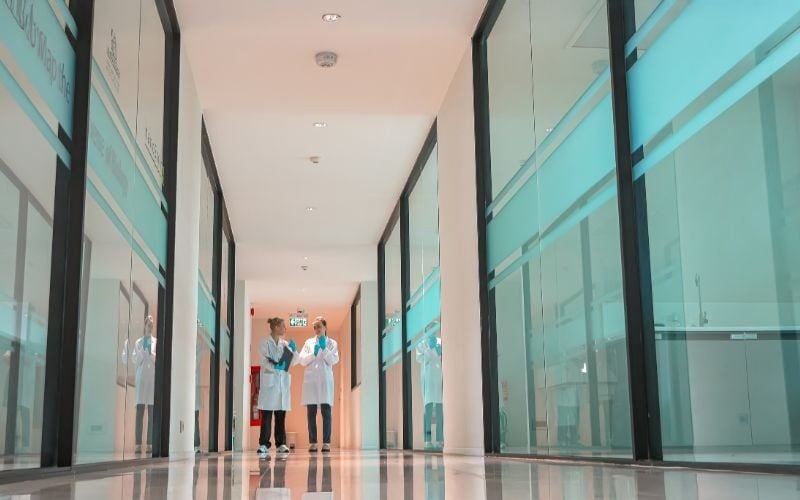
The Joint Commission on Accreditation of Healthcare Organizations (JCAHO), now commonly known as The Joint Commission, is an independent, non-profit organization that accredits and certifies healthcare organizations across the United States. Its accreditation is widely recognized as a benchmark of quality and safety, helping healthcare facilities maintain high standards in patient care, operations, and risk management.
While most healthcare professionals are familiar with the annual survey process, a key and sometimes under-discussed component of maintaining a survey-ready environment is the reliability of electrical infrastructure. Increasingly, this includes preventive maintenance practices aligned with National Fire Protection Association guidance such as NFPA 70B, and workplace safety expectations enforced by Occupational Safety and Health Administration (OSHA).
Why JCAHO Accreditation Matters
Accreditation is more than a credential; it’s a framework for delivering consistent, safe, and effective care.
- Improves Patient Safety
Standards emphasize risk reduction, infection control, and safe facility operations, all of which help minimize adverse events. - Strengthens Organizational Credibility
Accreditation signals to patients, staff, and payers that a facility meets nationally recognized performance benchmarks. - Supports Reimbursement
Many insurers and federal programs tie participation or reimbursement eligibility to accredited status. - Drives Continuous Improvement
Standards evolve with evidence-based practices, encouraging organizations to continually refine processes and outcomes.
In today’s complex healthcare environment, accreditation helps organizations stay aligned with best practices while sustaining high levels of quality and safety.
The Growing Importance of Electrical Reliability
Healthcare facilities depend on complex electrical systems to support life-safety equipment, surgical environments, and critical infrastructure. Because of this, surveyors often review how organizations manage electrical risk within their Environment of Care programs.
Where NFPA 70B and Infrared Inspections Fit
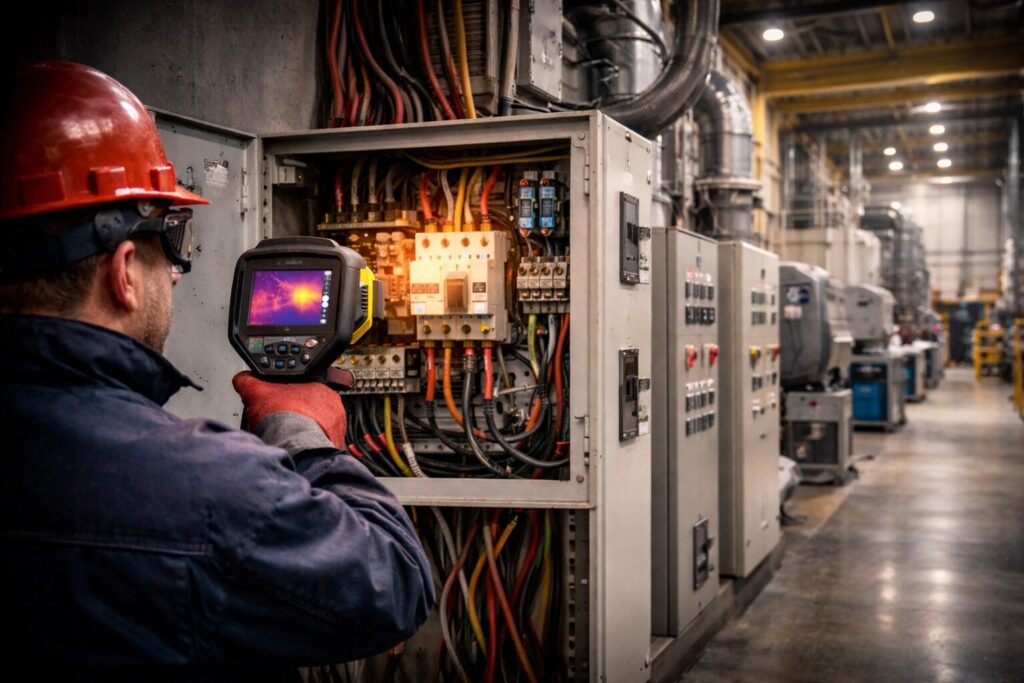
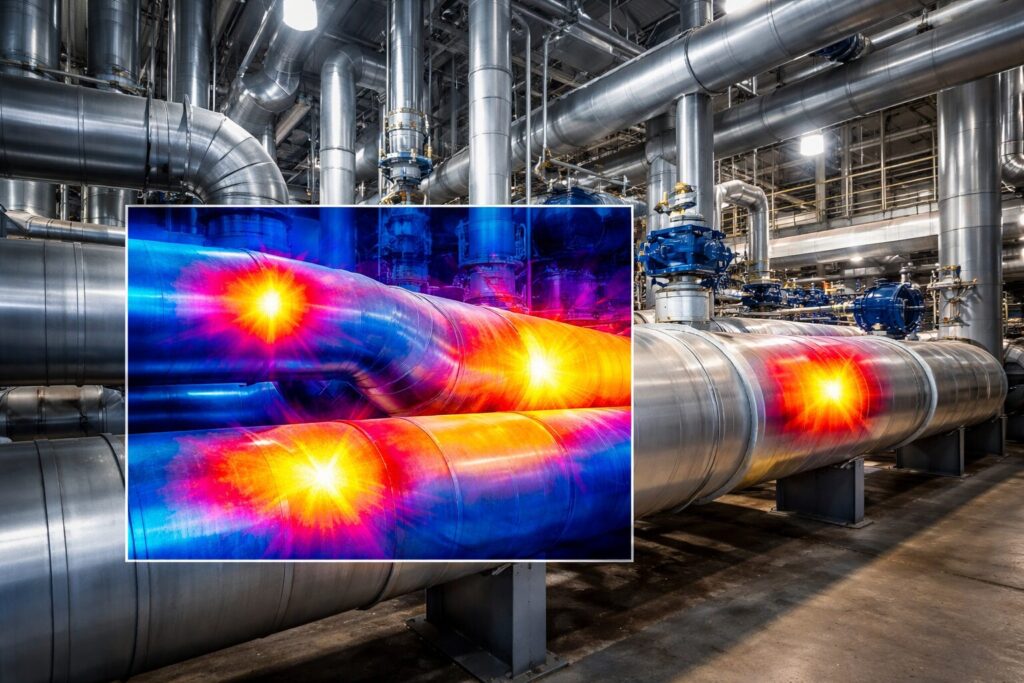
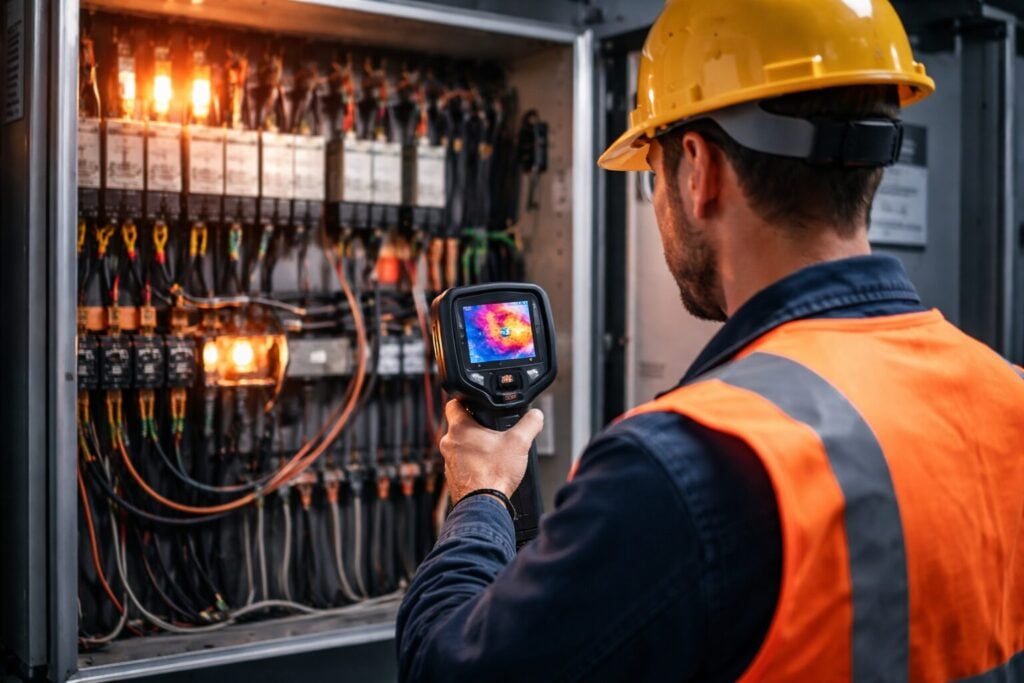
NFPA 70B provides required practices for electrical equipment maintenance, including annual infrared thermography inspections for many types of power distribution equipment.
While the Joint Commission does not always list infrared inspections as a standalone survey element, facilities are expected to demonstrate that they follow recognized industry standards and maintain safe operating conditions. OSHA likewise expects employers to identify and mitigate electrical hazards using accepted practices.
As a result, many healthcare organizations treat annual IR inspections as part of a comprehensive compliance strategy because they help demonstrate:
- Proactive hazard identification
- Preventive maintenance consistency
- Reduced risk of electrical failures or fires
- Documentation supporting Environment of Care requirements
Infrastructure and Equipment Expectations
Surveyors commonly review how facilities maintain critical systems such as:
- Emergency power and generators
- Fire protection systems
- HVAC and air quality controls
- Medical gas and vacuum systems
- Electrical distribution equipment
Proactive maintenance — including thermal imaging — helps ensure these systems operate reliably and supports a strong survey narrative around risk management.
Best Practices for Staying Survey-Ready
- Adopt a Continuous Compliance Mindset
Treat readiness as an ongoing process, not a once-a-year effort. - Document Maintenance Activities
Maintain clear records of inspections, corrective actions, and follow-ups. - Align with Recognized Standards
Use NFPA, OSHA, and manufacturer guidance to support your maintenance program. - Leverage Predictive Technologies
Infrared thermography and other predictive tools help identify issues before they impact operations.
Building a Culture of Quality and Safety
Joint Commission accreditation is ultimately about creating systems that consistently protect patients, staff, and visitors. Electrical reliability plays a critical role in that mission. By aligning preventive maintenance programs with recognized standards like NFPA 70B and documenting those efforts, healthcare facilities strengthen both compliance and operational resilience.
At Southeast Infrared, we help healthcare organizations enhance equipment reliability, support preventive maintenance strategies, and maintain confidence in their electrical infrastructure — helping you stay prepared not just for survey day, but every day.