In industrial facilities, unseen problems often cause the biggest headaches. One silent culprit? Insulation failures in pipelines. Left unchecked, they can lead to energy waste, equipment damage, and costly downtime. Thermal imaging has emerged as a powerful ally in spotting these hidden issues before they escalate.
Seeing the Invisible with Thermal Imaging
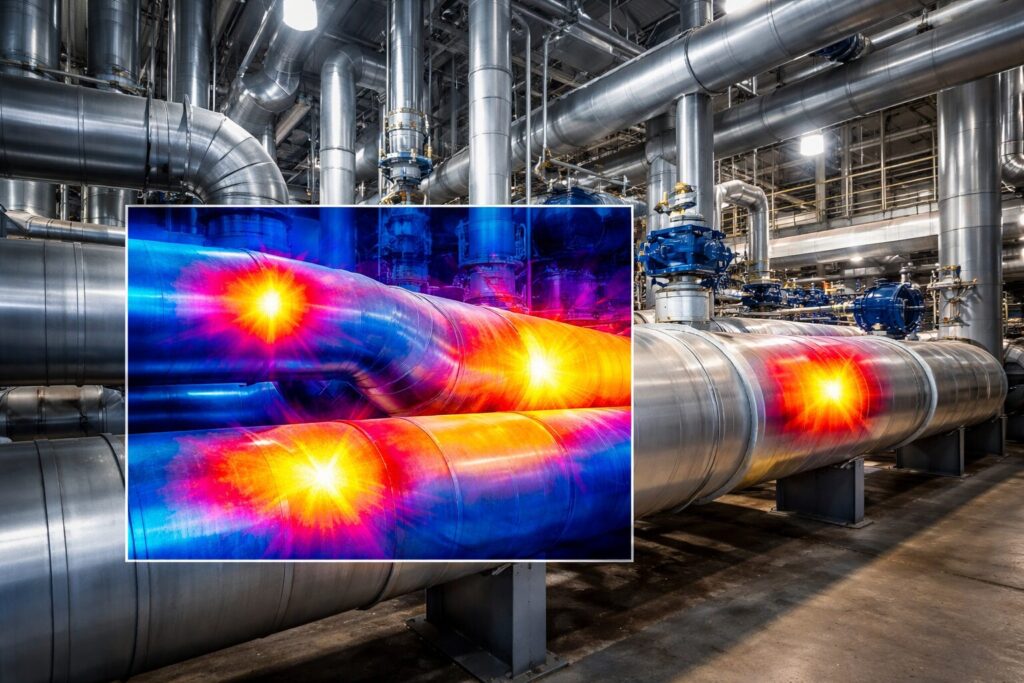
Thermal imaging, also called infrared scanning, detects temperature variations across surfaces without physically touching them. For pipelines, this means identifying areas where insulation isn’t performing as it should. Hot or cold spots on a pipe often indicate missing or degraded insulation. Imagine a pipeline as a leaky thermos—the temperature changes reveal exactly where the “leaks” are.
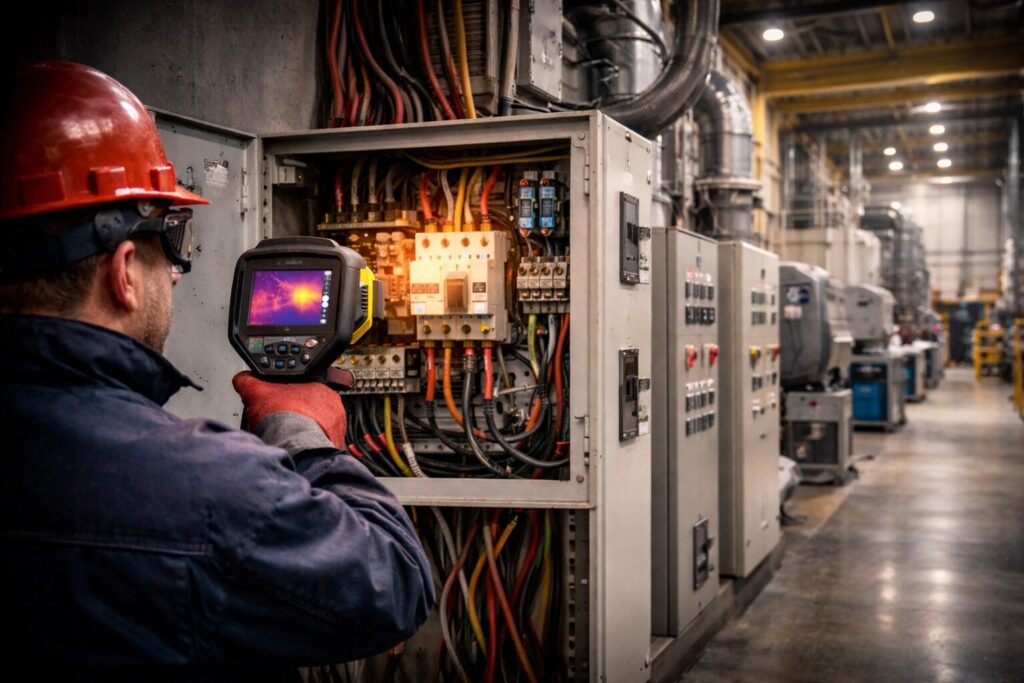
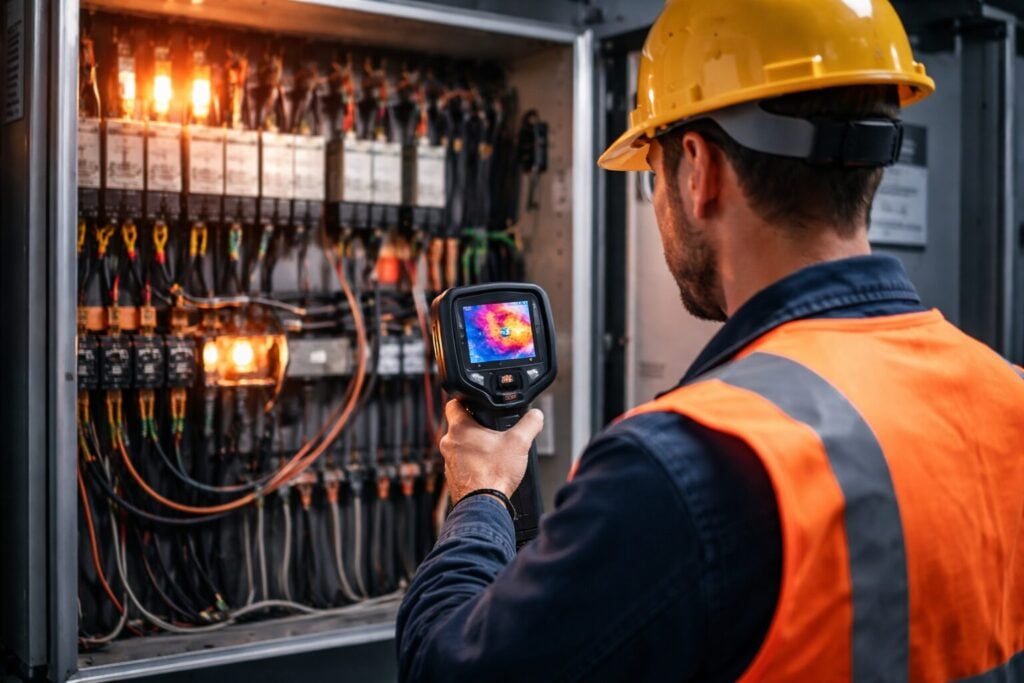
Unlike traditional inspections, thermal imaging is non-invasive. Technicians can scan entire networks of pipes quickly, capturing real-time visual data that pinpoints problem areas with precision. This makes it ideal for industrial settings where downtime is expensive and safety is paramount.
Why Insulation Failures Matter
When insulation fails, energy escapes. Steam lines lose heat, chilled water lines gain unwanted warmth, and compressors work harder to maintain system efficiency. Over time, this adds up to higher utility bills and increased wear on equipment. But energy loss isn’t the only concern. Exposed hot pipes can pose safety risks to employees, and chronic temperature variations may compromise sensitive processes or materials.
By detecting failures early, thermal imaging helps facility managers prioritize repairs, prevent safety hazards, and maintain compliance with industry standards like NFPA 70B. It’s not just about saving money—it’s about maintaining operational integrity.
How Facilities Benefit from Thermal Imaging
- Quick Detection: Scans reveal insulation gaps, moisture intrusion, and uneven heat distribution without dismantling equipment.
- Preventive Maintenance: Early detection allows repairs before minor issues turn into costly failures.
- Energy Efficiency: Restoring proper insulation reduces energy waste, improving overall system performance.
- Safety Compliance: Identifying hot spots ensures workplace safety and regulatory compliance.
Consider a manufacturing plant where a single pipeline had degraded insulation. A thermal scan highlighted a series of hot spots along the line. Addressing these areas immediately prevented energy loss equivalent to thousands of dollars annually, while avoiding potential safety incidents.
Choosing the Right Approach
The effectiveness of thermal imaging depends on experienced technicians and advanced equipment. Certified thermographers can interpret temperature variations accurately, ensuring that every anomaly is investigated correctly. Modern infrared cameras provide dual-vision detection and real-time visualization, making it easier to understand complex systems and make informed decisions.
Proactive Insight Pays Off
Insulation failures may be invisible to the naked eye, but their consequences are real. Thermal imaging empowers facility managers to “see” these hidden problems, optimize energy use, protect employees, and safeguard equipment. By integrating infrared scanning into regular maintenance programs, industrial operations gain clarity, confidence, and cost savings.
Next time you walk past a network of pipes, ask yourself: Could there be heat escaping where I can’t see it? With thermal imaging, the answer is no longer hidden.