A traditional home inspection can reveal many visible issues, but some of the most costly problems remain hidden behind walls, ceilings, and floors. An infrared scan home inspection uses advanced thermal imaging technology to uncover potential issues that are not visible to the naked eye, giving homeowners, buyers, and sellers a clearer understanding of a property’s condition.
What Is an Infrared Scan Home Inspection?
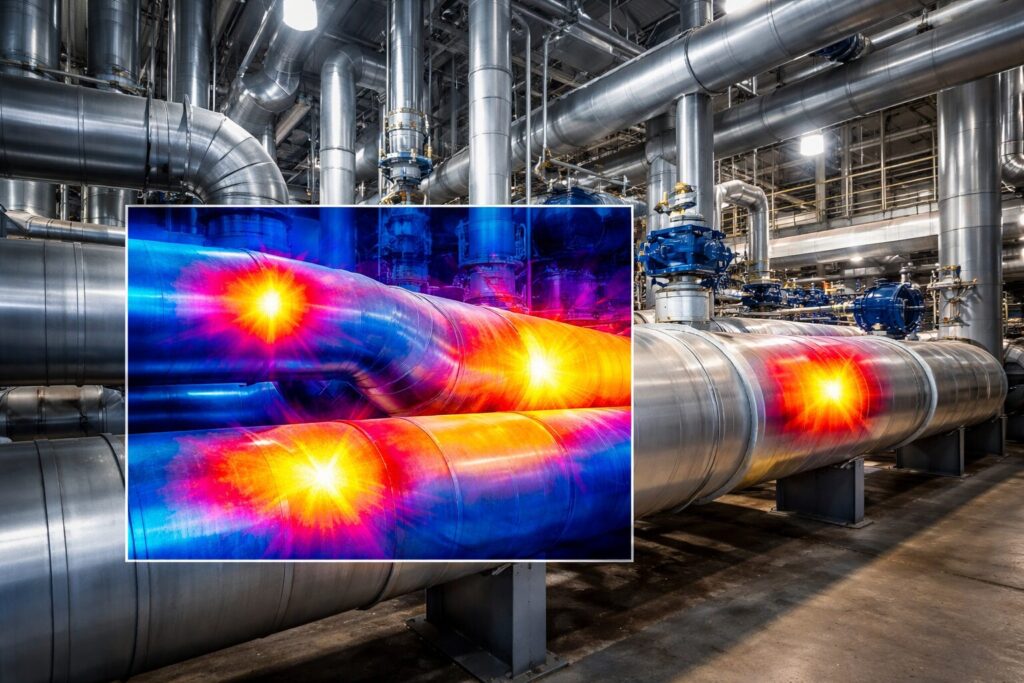
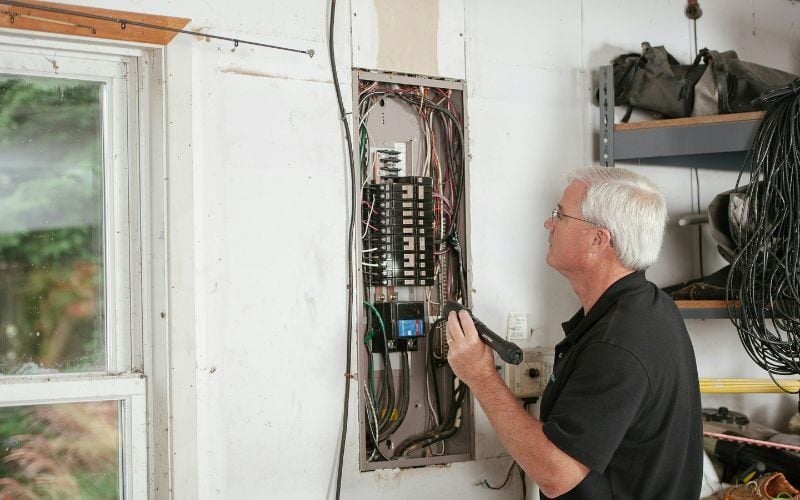
An infrared scan home inspection is a non-invasive evaluation that uses infrared cameras to detect temperature differences within a home. These temperature variations can indicate underlying concerns such as moisture intrusion, insulation gaps, air leaks, or electrical hot spots.
Unlike standard inspections that rely primarily on visual checks, infrared scanning provides an added layer of insight—helping identify problems early, before they become expensive repairs.
Why Infrared Scanning Matters for Homeowners
Hidden issues can quietly damage a home long before visible signs appear. An infrared scan home inspection offers several important benefits:
- Detects moisture problems that can lead to mold or structural damage
- Identifies insulation deficiencies that reduce energy efficiency
- Reveals air leaks affecting indoor comfort and utility costs
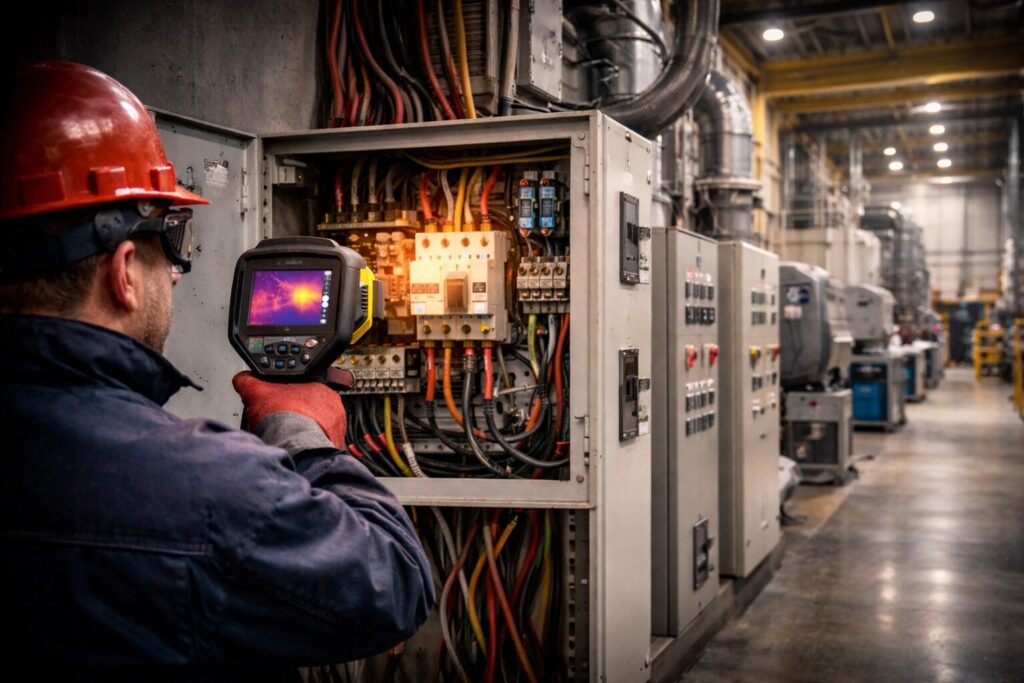
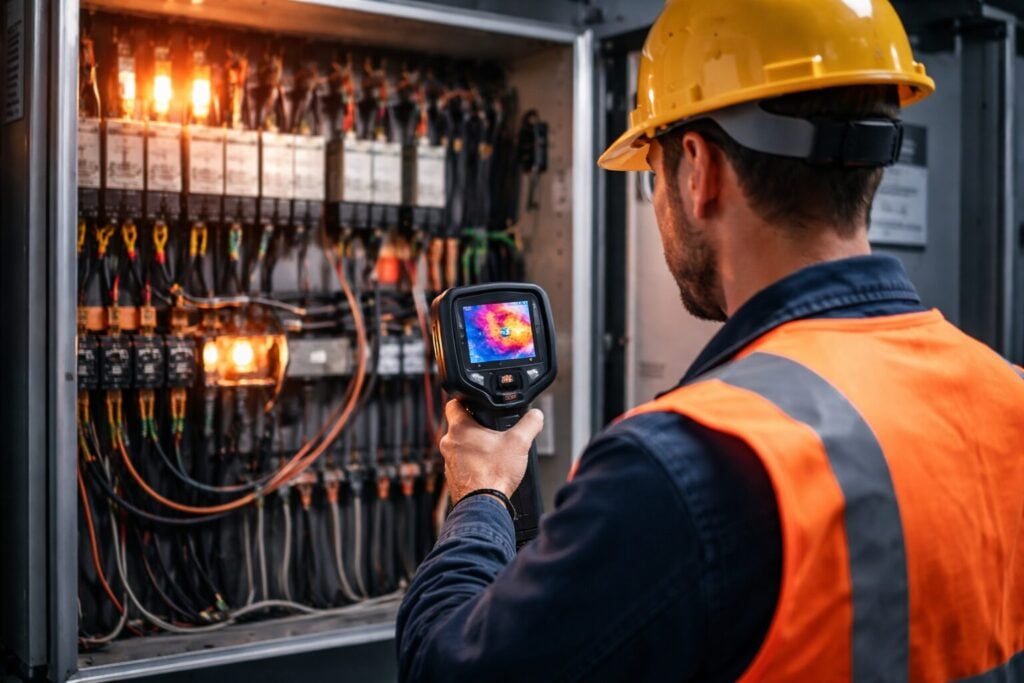
- Highlights electrical anomalies that may pose safety risks
For homeowners and buyers alike, infrared scanning delivers peace of mind and supports smarter decisions.
How an Infrared Scan Home Inspection Works
1. Thermal Imaging Assessment
A certified infrared professional uses a high-resolution thermal camera to scan interior and exterior surfaces. Areas that heat or cool differently than surrounding materials appear as thermal patterns, pointing to possible concerns.
2. Non-Destructive and Efficient
Because infrared scanning does not require opening walls or ceilings, the inspection is quick and causes no damage. This makes it ideal for occupied homes and pre-purchase inspections.
3. Detailed Reporting
Following the inspection, clients receive a clear, easy-to-understand report that highlights findings, includes thermal images, and provides recommendations for further evaluation or repair if needed.
When Should You Schedule an Infrared Scan Home Inspection?
An infrared scan home inspection is especially valuable when:
- Buying or selling a home
- Experiencing unexplained high energy bills
- Noticing water stains, drafts, or temperature inconsistencies
- Checking for potential issues after severe weather
- Wanting reassurance about a home’s overall condition
Regular infrared scans can also be part of a proactive home maintenance strategy.
Infrared Scanning vs. Traditional Home Inspections
While traditional home inspections are essential, they are limited to what can be seen. Infrared technology complements standard inspections by providing deeper insight into hidden systems. This enhanced approach helps uncover issues earlier, reducing unexpected repair costs and improving long-term home performance.
At Southeast Infrared, professional infrared scan home inspections are conducted with precision, experience, and attention to detail—ensuring clients receive reliable information they can trust.
Invest in Confidence and Clarity
An infrared scan home inspection empowers homeowners and buyers with knowledge. By identifying hidden problems early, it helps protect your investment, improve energy efficiency, and support a safer living environment. With expert thermal imaging services from Southeast Infrared, you gain clarity, confidence, and peace of mind.