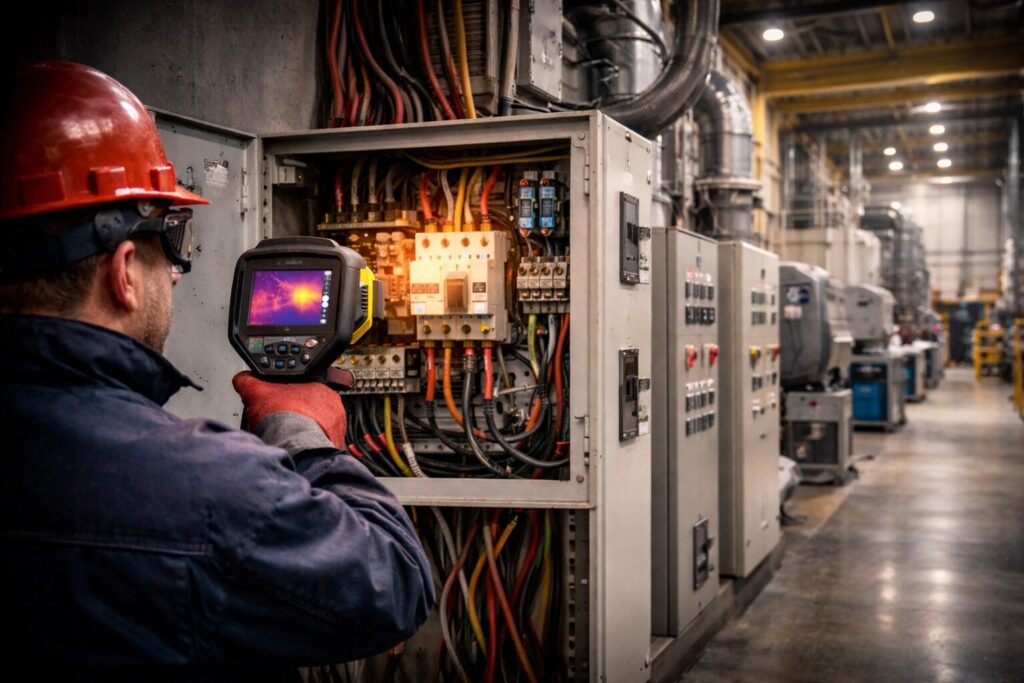
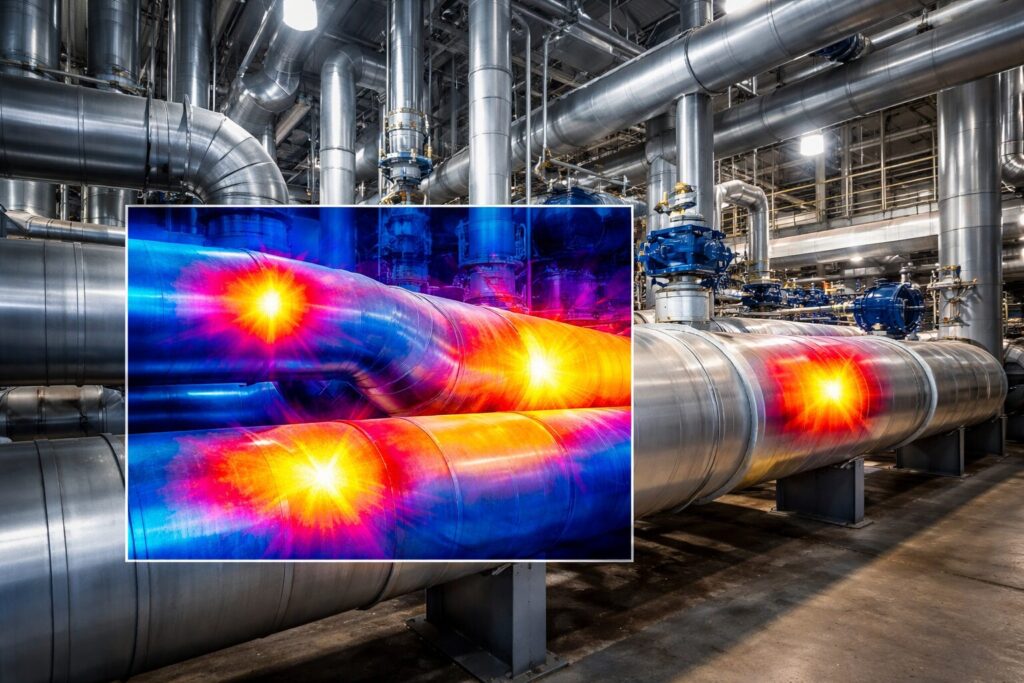
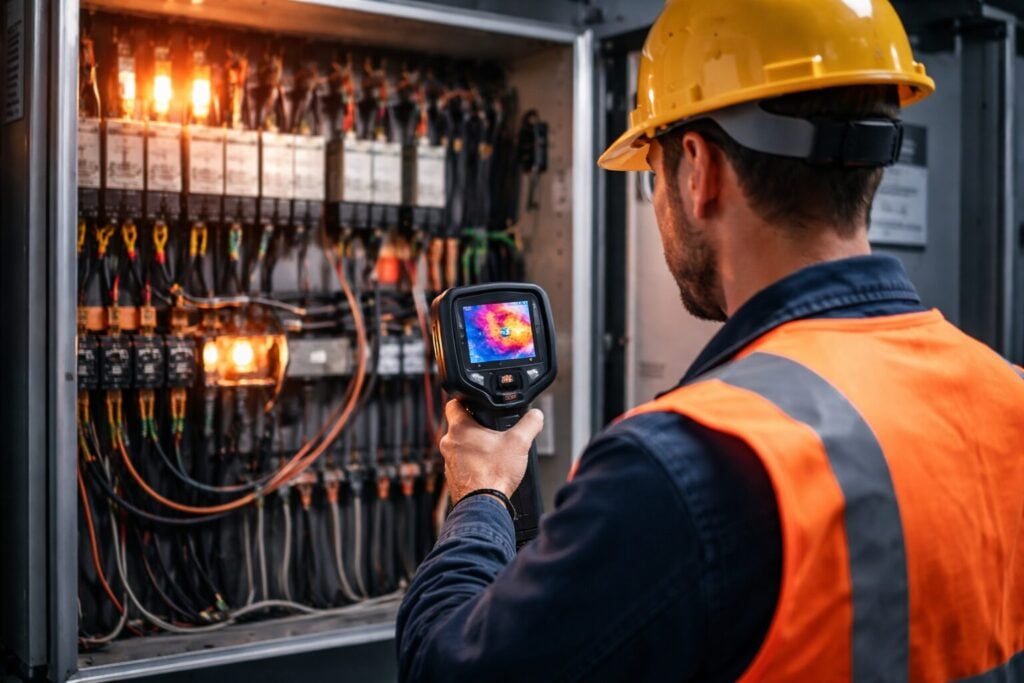
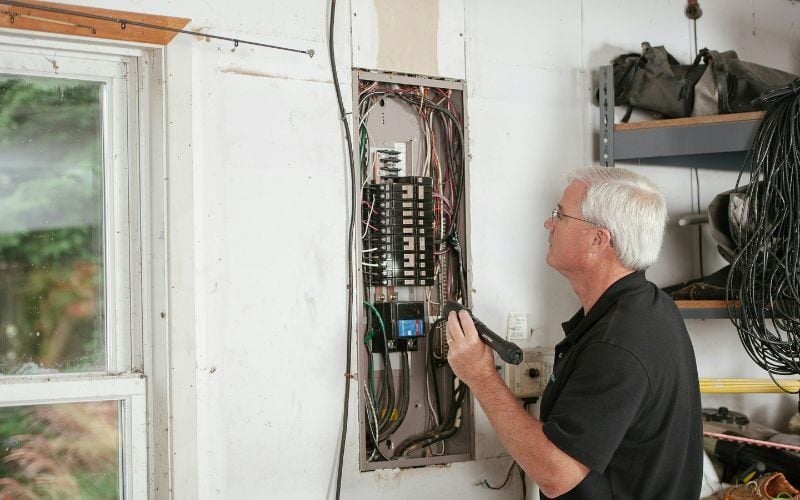
When a new building is completed, how do you know it’s truly ready for occupancy? Beyond visual inspections, hidden flaws can linger—insulation gaps, moisture intrusion, or electrical hotspots—that could lead to costly repairs or safety hazards. This is where thermal imaging during building commissioning becomes a game-changer.
What Is Building Commissioning?
Building commissioning is the process of verifying that a facility’s systems—from electrical and mechanical to HVAC—are designed, installed, and functioning according to specifications. Traditionally, this involves checklists and spot inspections, but many defects remain invisible to the naked eye.
Why Thermal Imaging Matters
Thermal imaging uses infrared cameras to detect temperature differences across building surfaces and systems. These variations can reveal:
- Insulation gaps: Cold spots on walls or ceilings indicate missing or compressed insulation.
- Moisture intrusion: Water leaks can cool or heat surrounding areas, showing up as anomalies.
- Electrical issues: Overloaded circuits or loose connections generate heat before causing failures.
- HVAC inefficiencies: Uneven temperatures may indicate duct leaks or equipment malfunction.
By identifying these issues early, facility managers can address defects before they escalate, saving time, money, and headaches down the line.
Advantages During Commissioning
- Non-invasive detection: No need to tear down walls or ceilings.
- Comprehensive coverage: Large areas can be scanned quickly, ensuring nothing is overlooked.
- Documentation for compliance: Thermal images provide visual evidence to support building performance reports.
- Energy efficiency insights: Identifying heat loss areas helps optimize insulation and HVAC performance.
Imagine walking through a newly built school and spotting invisible insulation gaps that could cause cold classrooms in winter. Thermal imaging highlights these problems instantly, giving builders and owners the chance to correct them before occupancy.
Integrating Thermal Imaging Into Your Process
For best results, thermal imaging should be part of a structured commissioning plan:
- Pre-commissioning scan: Detect issues immediately after construction is complete.
- Targeted follow-up scans: Re-check problem areas after repairs or adjustments.
- Ongoing maintenance: Periodic thermal inspections help ensure systems remain efficient and safe over time.
See What Others Can’t
Thermal imaging transforms building commissioning from a routine inspection into a proactive strategy. By revealing hidden defects early, it protects budgets, enhances safety, and ensures buildings operate efficiently from day one.
So next time you step into a brand-new facility, ask yourself: are you seeing the full picture, or just what meets the eye? With thermal imaging, what was once invisible becomes crystal clear, ensuring your building performs as promised and your investment is secure.