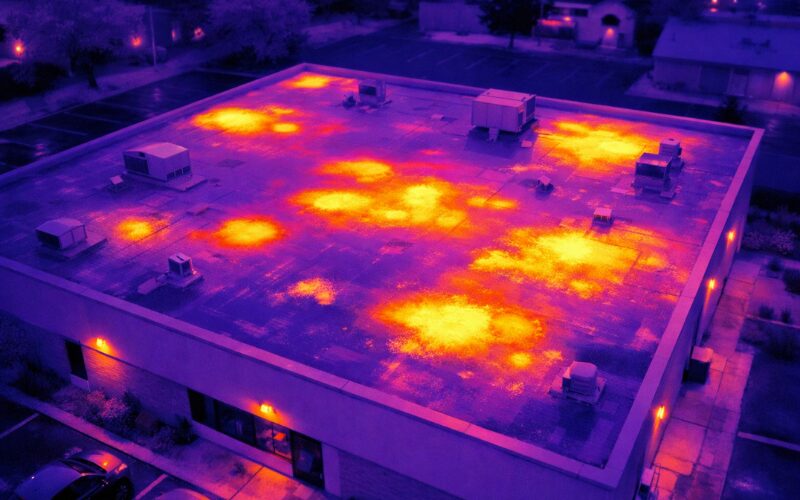
A roof can appear sound from the surface while hidden moisture quietly compromises insulation, membranes, and structural components. Infrared roof moisture scanning is a non-destructive diagnostic method that helps building owners and facility managers detect problems early—before they escalate into major repairs or premature roof replacement.
However, understanding where this technology works best is essential for accurate expectations and results.
What Is an Infrared Roof Moisture Scan?
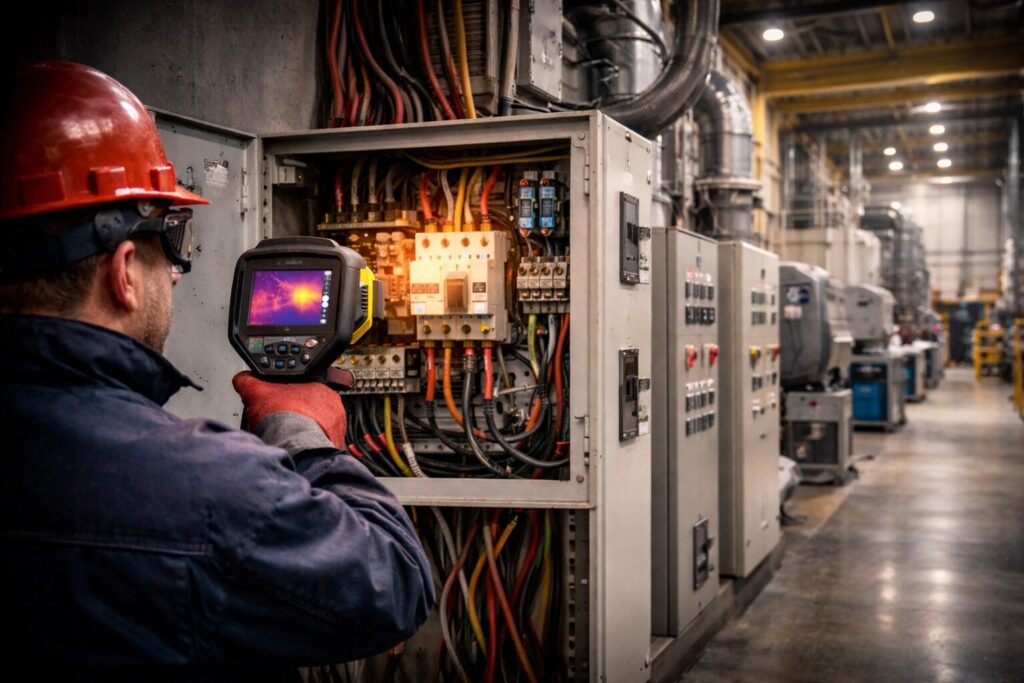
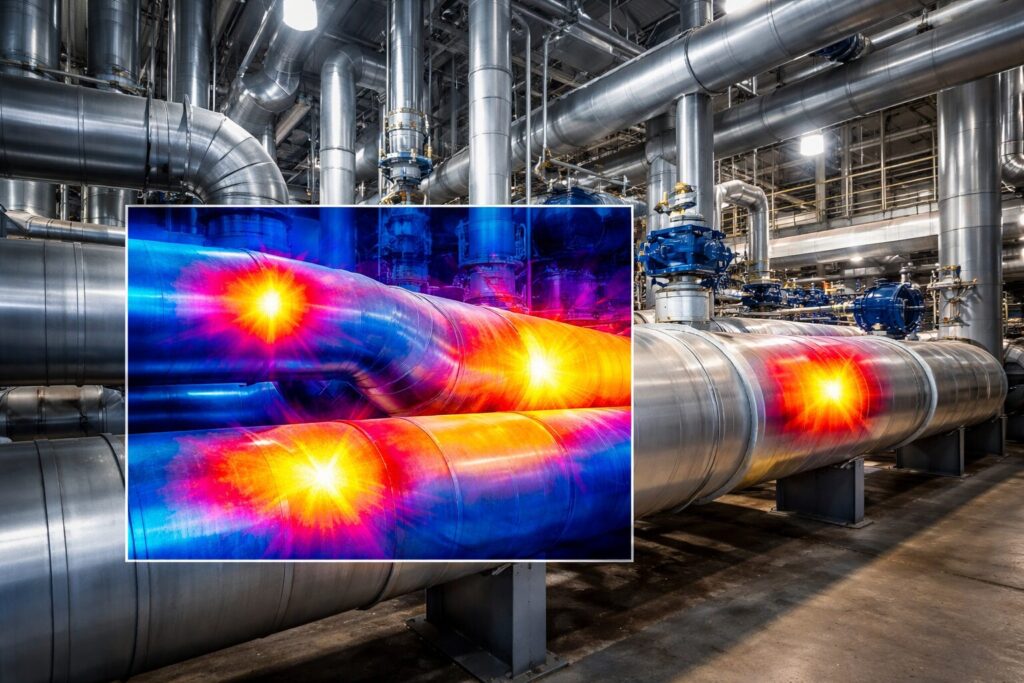
An infrared roof moisture scan uses thermal imaging to identify temperature differences across a roofing system. Moisture trapped within insulation retains and releases heat differently than dry materials. After a roof absorbs heat during the day, infrared cameras capture these thermal patterns, highlighting areas that may contain moisture.
This approach allows inspectors to locate potential problem areas without cutting into the roof, preserving system integrity while providing actionable insights.
Why Infrared Roof Moisture Scans Matter
Undetected moisture can significantly reduce a roof’s lifespan and compromise a building’s structural integrity. An infrared roof moisture scan provides several critical benefits:
- Early problem detection: Identify moisture intrusion before visible damage occurs
- Lower repair costs: Target only affected areas instead of replacing the entire roof
- Minimal disruption: Non-invasive testing means business operations can continue uninterrupted
- Extended roof life: Proactive maintenance helps maximize your roofing investment
For commercial, industrial, healthcare, and educational facilities, these scans are an essential part of preventive maintenance planning.
How Infrared Roof Moisture Scanning Works
1. Ideal Conditions for Accurate Results
Infrared roof scans are typically performed after sunset under dry weather conditions. This timing allows the roof to release stored heat, creating the thermal contrast needed to detect moisture effectively.
2. Thermal Imaging Analysis
Certified thermographers use high-resolution infrared cameras to scan the roof surface. Areas with trapped moisture appear as distinct thermal anomalies when compared to surrounding dry insulation.
3. Verification and Reporting
Once anomalies are identified, targeted verification methods—such as core sampling or moisture meters—may be used to confirm findings. Clients receive a detailed report outlining affected areas, supporting data, and recommendations for next steps.
When Should You Schedule an Infrared Roof Moisture Scan?
An infrared roof moisture scan is especially valuable when:
- You suspect leaks but can’t pinpoint the source
- Your roof is aging and nearing replacement consideration
- You want to validate the roof condition before purchasing a property
- You need documentation for insurance or warranty claims
- You’re planning repairs and want to limit unnecessary costs
Routine scanning can also be integrated into long-term facility maintenance programs to reduce risk and support capital planning.
Why Choose Infrared Testing Over Traditional Methods?
Traditional roof inspections often rely on visual assessments or random core samples, which can miss hidden moisture and damage the roofing system. Infrared technology provides comprehensive coverage, allowing professionals to scan large areas quickly and accurately.
Also, aerial infrared inspections are faster and safer than traditional, due to not having to be on the roof directly at night.
At Southeast Infrared, advanced infrared diagnostics help clients make informed decisions, prioritize repairs, and protect their assets with confidence.
Protect Your Roof Investment
An infrared roof moisture scan is more than a diagnostic tool—it’s a proactive strategy. By identifying moisture issues early, building owners can reduce downtime, avoid costly surprises, and extend the life of their roofing systems. With expert thermal imaging and detailed reporting, Southeast Infrared supports smarter maintenance decisions that safeguard both facilities and budgets.