Industrial facilities rely on complex electrical systems that power everything from production equipment to building infrastructure. But what if a serious electrical issue is quietly developing behind a panel or inside a connection completely invisible to the human eye?
This is where annual electrical infrared inspections become essential. By using advanced thermal imaging technology, facilities can detect hidden problems early, long before they lead to equipment failure, safety hazards, or costly downtime.
Let’s explore why this proactive approach has become a cornerstone of modern industrial safety and preventive maintenance.
Seeing the Problems You Can’t See
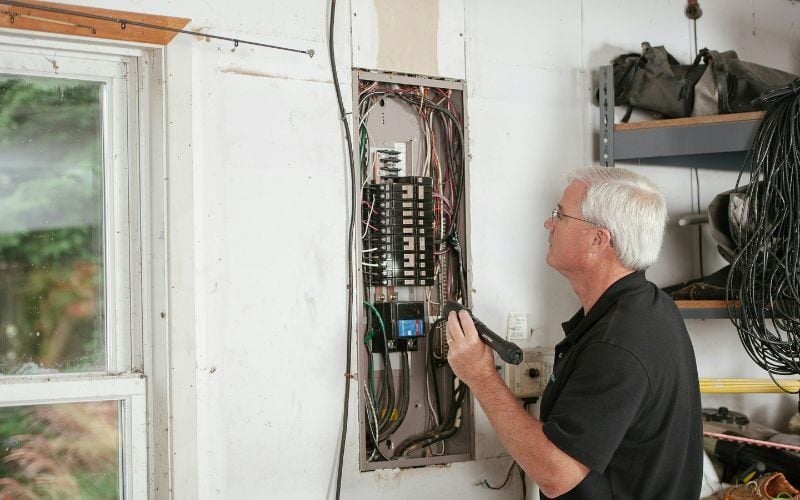
Electrical faults rarely appear suddenly. In most cases, they develop gradually as heat builds up due to issues such as loose connections, overloaded circuits, or insulation failures.
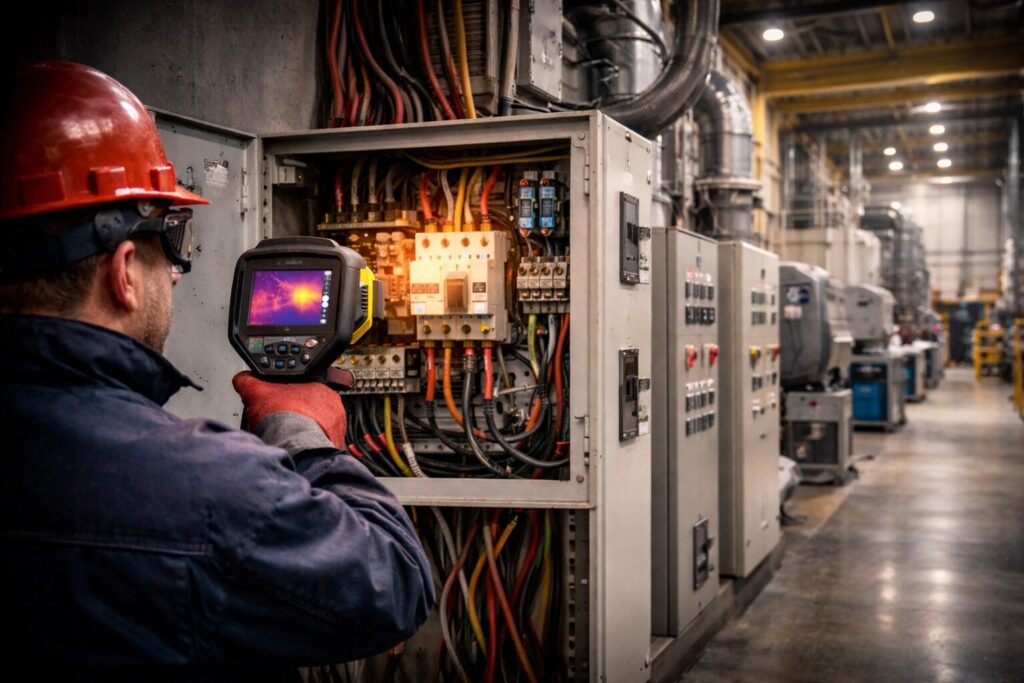
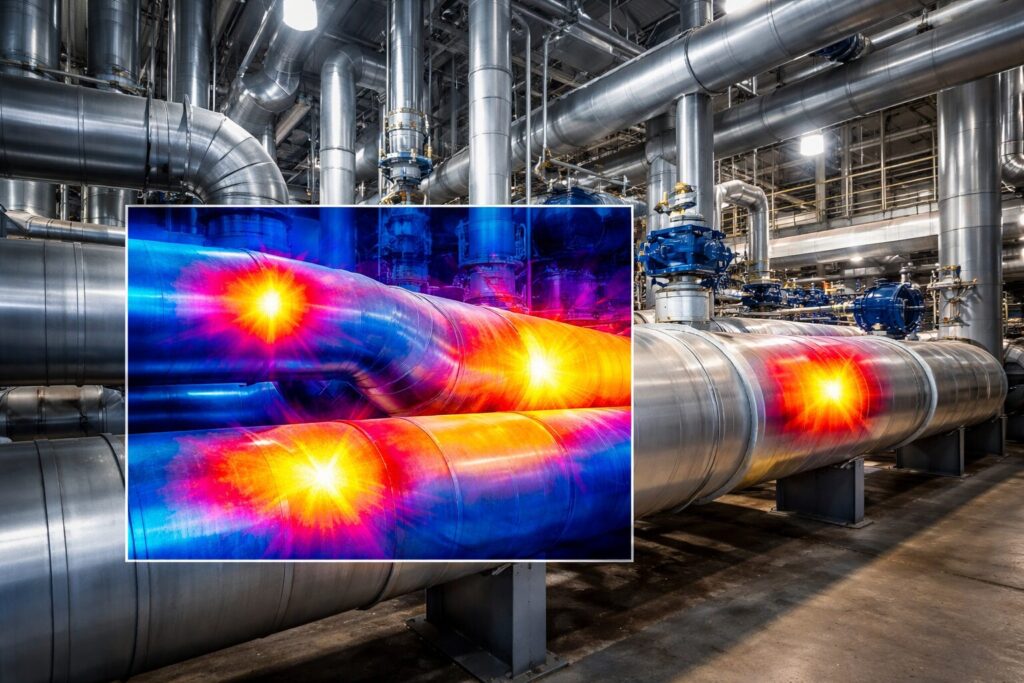
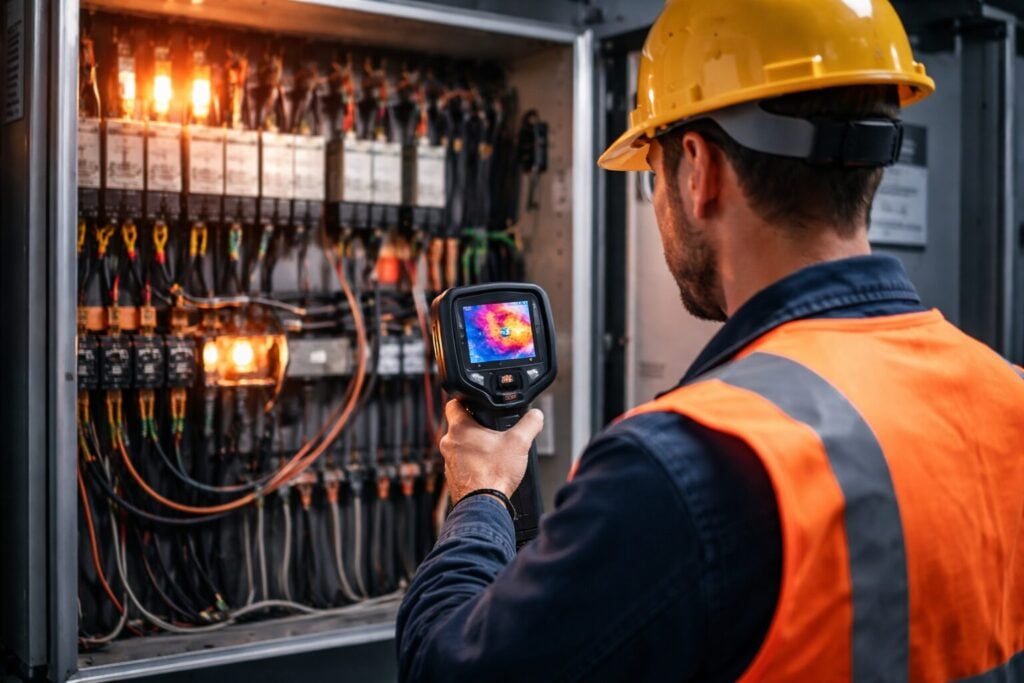
Infrared scanning uses thermal imaging cameras to visualize temperature differences across electrical components. This allows technicians to quickly identify abnormal heat patterns—often the earliest sign of trouble.
Because the inspection is non-invasive and performed while systems are operating, it provides an accurate picture of how electrical equipment behaves under real working conditions. That means potential hazards can be detected without interrupting production.
Think of it as a health check for your facility’s electrical system. Instead of waiting for something to break, you identify risks before they escalate.
Understanding the Value Through the PdM Curve
The Predictive Maintenance (PdM) curve illustrates how equipment condition deteriorates over time—from normal operation to early fault detection, and eventually to failure. What makes this concept powerful is that it highlights a critical window where issues are detectable before they become severe.
Infrared inspections operate right within this predictive zone. Early indicators, such as slight temperature increases, appear long before visible symptoms like noise, smell, or physical damage. By identifying problems at this stage, maintenance teams gain valuable time to act.
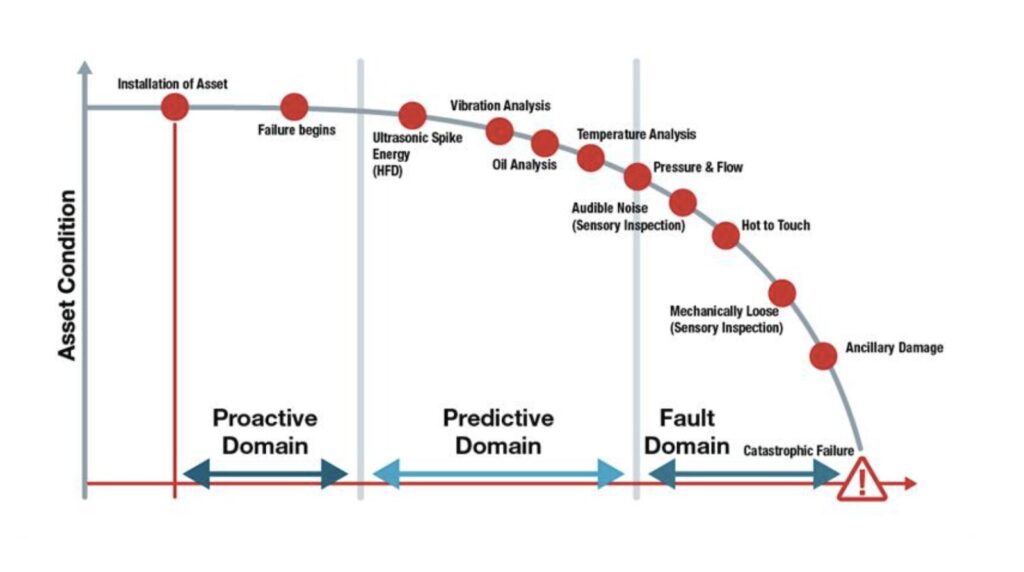
In simple terms, the earlier you detect a problem on the PdM curve, the lower the cost, risk, and disruption involved in fixing it.
Preventing Electrical Failures Before They Happen
One of the biggest advantages of annual infrared inspections is their ability to support predictive maintenance.
Many electrical failures are preceded by rising temperatures within components. Thermal imaging detects these temperature increases early, allowing maintenance teams to schedule repairs during planned downtime rather than responding to emergencies.
Common issues detected through infrared inspections include:
- Loose or deteriorating electrical connections
- Overloaded circuits
- Imbalanced electrical loads
- Failing insulation
- Overheating breakers, transformers, or panels
By identifying these problems early, facilities avoid catastrophic failures that could halt production or damage critical equipment.
After all, which is better: a scheduled repair during maintenance hours, or a sudden shutdown during peak operations?
Enhancing Workplace Safety
Electrical problems don’t just threaten equipment—they can also endanger people.
Overheated wiring, failing components, or overloaded panels can increase the risk of electrical fires or arc flash incidents. Early detection through thermal imaging dramatically reduces these risks by allowing technicians to address hazards before they become dangerous.
Regular inspections also help facilities maintain a safer working environment for maintenance teams, engineers, and production staff.
Supporting Compliance and Documentation
Many industrial facilities must follow strict maintenance standards and regulatory guidelines. Infrared inspections play an important role in demonstrating compliance with preventive maintenance practices and safety standards such as NFPA 70B and other regulatory frameworks.
A professional infrared inspection typically includes:
- Detailed thermal images of inspected equipment
- Analysis of detected anomalies
- Clear maintenance recommendations
- Digital reports suitable for compliance audits
These reports provide documented proof that your facility is actively monitoring and maintaining electrical system health.
Improving Efficiency and Reducing Costs
Beyond safety and compliance, infrared inspections can also uncover inefficiencies within electrical systems.
Overheated components often indicate energy loss or excessive electrical resistance, which can increase power consumption and operating costs. Addressing these issues not only protects equipment but can also improve overall system efficiency.
In many cases, the savings from prevented downtime or avoided equipment replacement can far exceed the cost of the inspection itself.
The Bottom Line
Electrical systems are the backbone of industrial operations, but hidden faults can quietly develop over time. Without proper monitoring, those small issues can turn into major failures.
Annual electrical infrared inspections provide a powerful solution by revealing heat signatures that signal developing problems early. The result is a safer workplace, more reliable equipment, and a smarter maintenance strategy.
In today’s industrial environments, the question isn’t whether infrared inspections are valuable, it’s whether your facility can afford to operate without them.