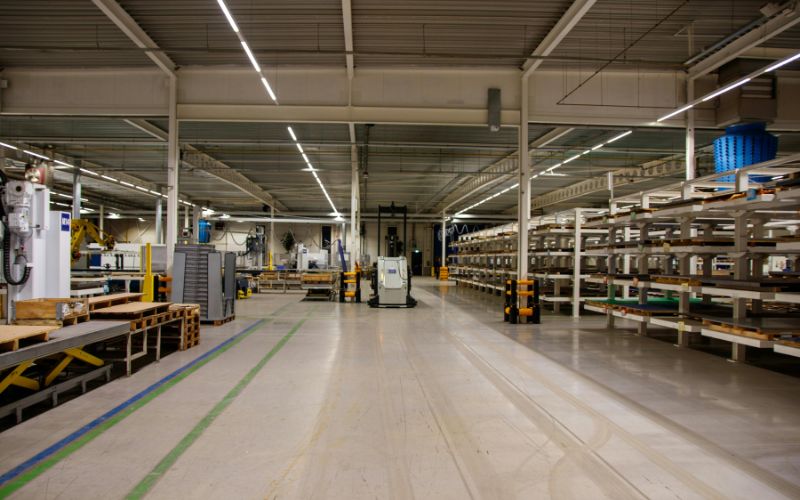
As electric vehicle (EV) production continues to expand, battery manufacturing and storage facilities face increasing operational and safety demands. One of the most effective ways to protect assets, personnel, and uptime is thermal scanning for EV battery facilities. This advanced inspection method helps detect abnormal heat patterns before they escalate into costly failures or hazardous events.
At Southeast Infrared, we provide professional thermal imaging inspections that support safety compliance, risk reduction, and operational reliability for EV battery manufacturing, assembly, and storage environments.
Why Thermal Scanning Is Critical for EV Battery Facilities
EV batteries store large amounts of energy, making temperature control a critical safety factor. Even minor thermal irregularities can indicate issues such as electrical resistance, cell imbalance, insulation breakdown, or early-stage thermal runaway.
Thermal scanning allows facility managers to:
- Identify overheating components before failure
- Reduce fire and explosion risks
- Maintain safe operating conditions
- Prevent unplanned downtime
- Protect high-value equipment and inventory
In EV battery facilities, early detection isn’t just a cost-saving measure—it’s a safety necessity.
How Thermal Scanning Works in EV Environments
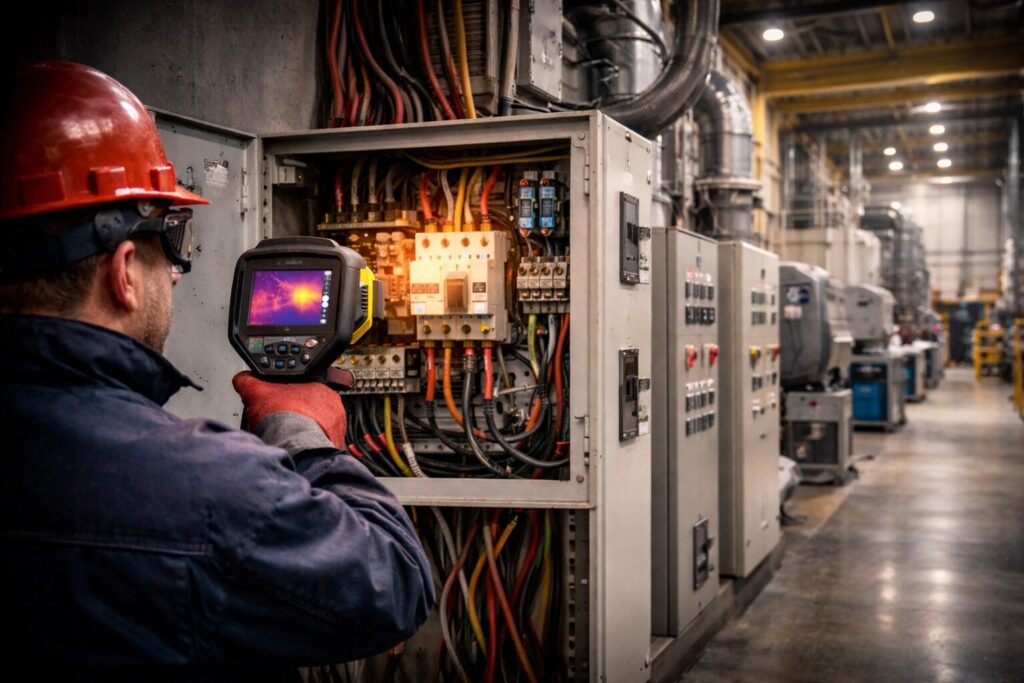
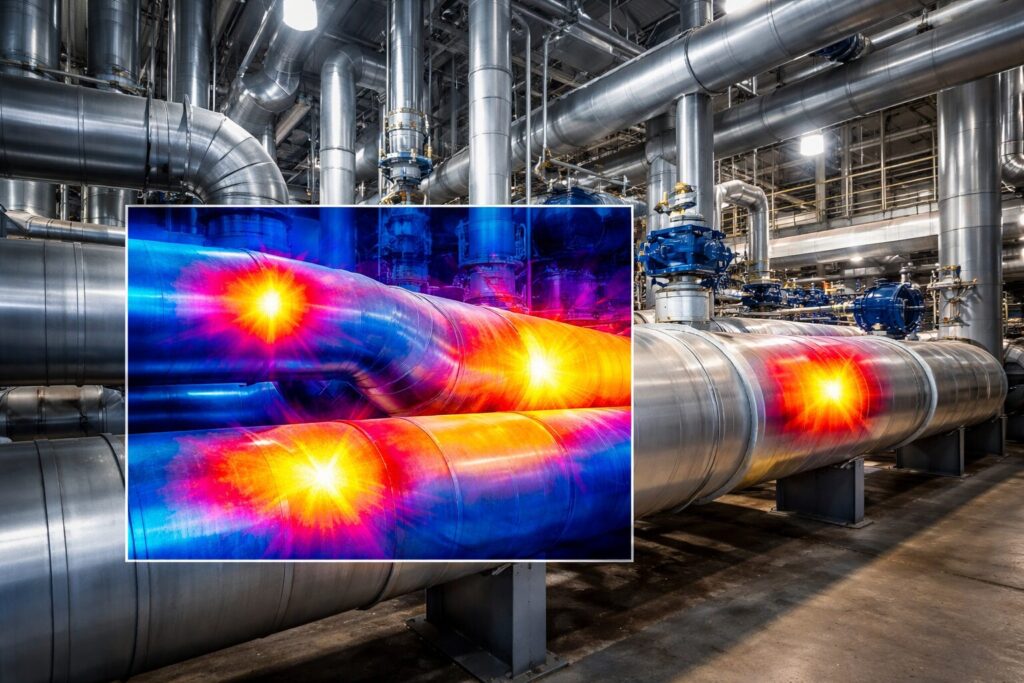
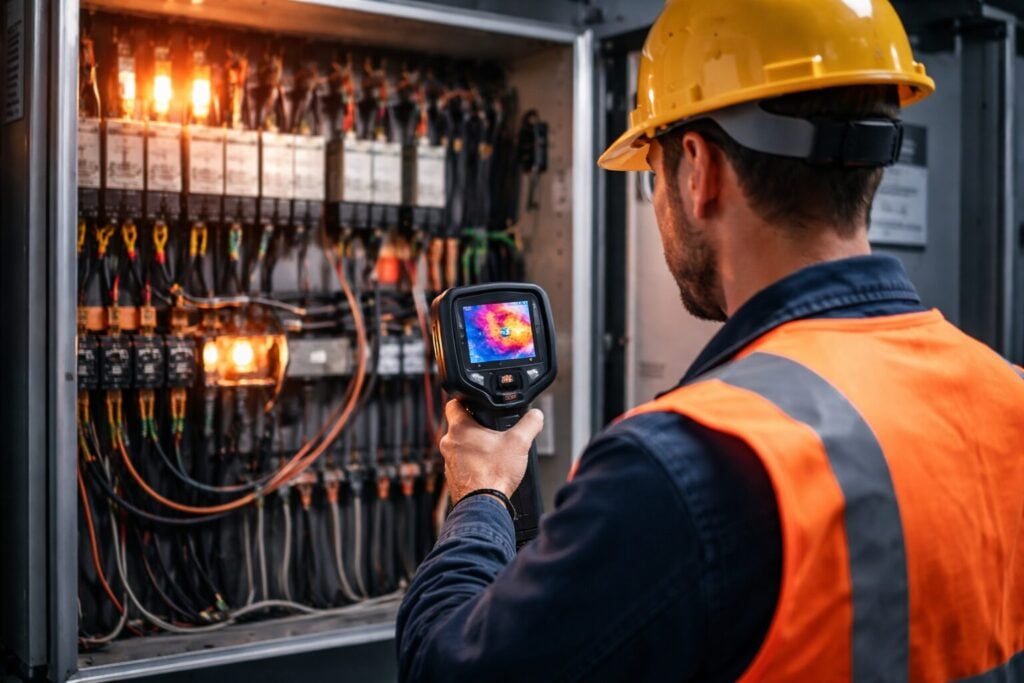
Thermal scanning, also known as infrared thermography, uses specialized cameras to detect heat variations invisible to the naked eye. These scans can be performed while systems remain energized and operational, eliminating the need for shutdowns.
In an EV battery facility, thermal inspections commonly target:
- Battery storage rooms and charging areas
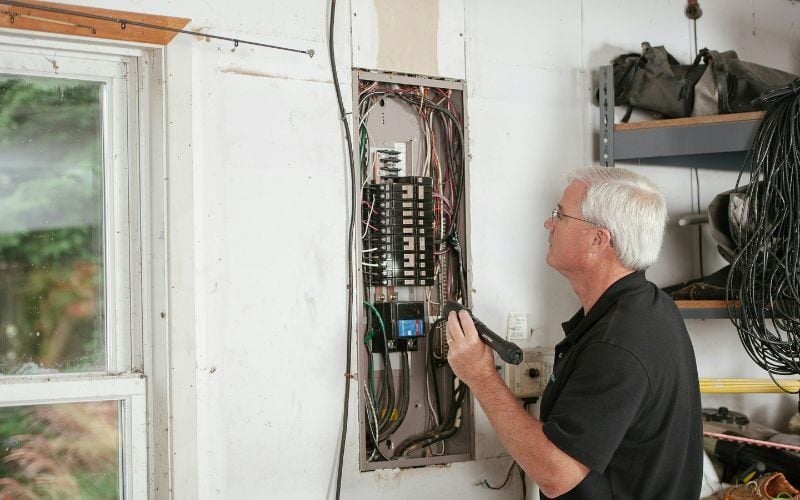
- Electrical panels, bus bars, and switchgear
- Battery assembly lines
- Power distribution systems
- HVAC and cooling infrastructure
By identifying abnormal temperature patterns, technicians can pinpoint developing issues before they result in failure or fire hazards.
Reducing Fire Risk and Thermal Runaway
Thermal runaway is one of the most serious risks in EV battery facilities. It occurs when a battery cell overheats uncontrollably, potentially igniting nearby cells. Thermal scanning for EV battery facilities plays a key role in early detection by identifying hotspots long before visible damage or alarms occur.
Regular infrared inspections help confirm that cooling systems are functioning properly and that electrical connections remain within safe temperature limits—reducing the likelihood of catastrophic events.
Supporting Compliance and Preventive Maintenance
Many EV battery facilities must meet strict safety, insurance, and regulatory requirements. Thermal scanning supports compliance by documenting equipment condition and demonstrating proactive maintenance practices.
Infrared inspections integrate seamlessly into preventive maintenance programs by:
- Verifying repairs and upgrades
- Establishing baseline temperature data
- Tracking temperature trends over time
- Prioritizing maintenance resources effectively
This data-driven approach allows facility managers to make informed decisions while minimizing operational disruptions.
Cost Savings Through Early Detection
Unexpected equipment failures in EV battery facilities can result in production delays, damaged inventory, and costly emergency repairs. Thermal scanning identifies problems at an early stage, when corrections are less expensive and easier to manage.
By addressing issues before failure, facilities benefit from:
- Extended equipment lifespan
- Reduced maintenance costs
- Improved system efficiency
- Increased operational reliability
Thermal scanning for EV battery facilities is a smart investment that protects both safety and profitability.
Why Choose Southeast Infrared
Southeast Infrared specializes in professional thermal imaging inspections for industrial and high-risk environments. Our experienced thermographers deliver accurate analysis, detailed reporting, and actionable insights tailored to EV battery operations.
We understand the unique challenges of energy-dense systems and provide inspections that help facilities operate safely, efficiently, and confidently.
If your operation depends on battery reliability and safety, thermal scanning is not optional—it’s essential.