In the healthcare and facility-management world, achieving and maintaining compliance isn’t just a checkbox—it’s a clear signal of reliability, safety, and quality care. That’s why The Joint Commission (TJC) sets forth rigorous Joint Commission Accreditation standards that hospitals, clinics, and other healthcare organizations must meet. Whether you manage a small clinic or a large hospital network, understanding these standards is critical to your operations.
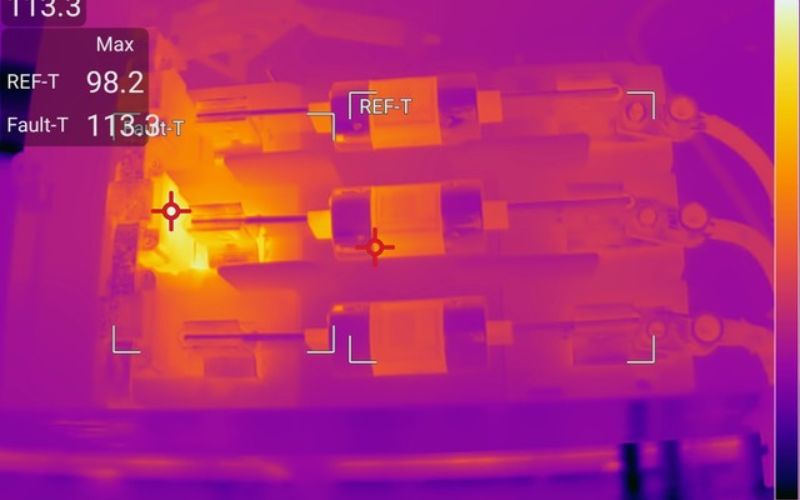
At Southeast Infrared, for example, our infrared and acoustic scanning services are designed to help facilities document safety, prevent failures, and comply with key requirements tied to these accreditation standards.
What Are Joint Commission Accreditation Standards?
The Joint Commission Accreditation standards are a set of policies and performance expectations developed to ensure safe, effective, and patient-centered care. They cover a broad range of categories—everything from infection control and staff competence to equipment maintenance and environment of care.
For many facilities, meeting these standards is essential not only for accreditation but also for licensing, reimbursement eligibility, and public trust. The standards are updated regularly and often referenced by inspectors during on-site reviews and audits.
Key Areas Covered by the Standards
Environment of Care and Equipment Safety
Facilities must show that all equipment and infrastructure—electrical systems, HVAC, plumbing, and more—are safe and maintained. For example, a hospital’s electrical system must comply with standards such as NFPA 70B preventive maintenance, which is often called out in Joint Commission inspections.
Infection Control & Prevention
Standards require protocols that minimize infection risk—proper sterilization, clean water systems, ventilation, waste handling, and more. These protocols must be clearly documented and audited periodically.
Performance Improvement & Risk Management
Organizations must continuously monitor outcomes, identify risks, and implement improvement plans. Accreditation isn’t a one-time hurdle—it’s ongoing performance and quality assurance.
Leadership and Staff Competency
Standardized procedures for hiring, training, credentialing, and ongoing education are required. Staff must show they’re competent in their roles and prepared for emergencies.
Why the Standards Matter for Your Facility
Meeting Joint Commission Accreditation standards gives you:
- Trust and credibility with patients, payers, and regulators.
- Reduced risk of safety incidents, legal exposure, or accreditation loss.
- Operational efficiencies through preventive maintenance and documentation.
- Insurance and reimbursement alignment, since many payers require accredited status.
When even one system is out of compliance—say, an unmonitored electrical panel—it can trigger major findings during an audit and jeopardize accreditation status.
How to Prepare for Accreditation
- Conduct a comprehensive audit of your facility’s systems (electrical, mechanical, plumbing, life safety).
- Document everything—work orders, preventive maintenance logs, inspection reports. The Joint Commission expects full traceability.
- Address deficiencies and demonstrate improvement—show that you not only fix issues but monitor and improve over time.
- Train your team—everyone from front-line staff to leadership must understand their role in compliance.
- Plan for inspection day—have accessible documentation, visual evidence, and clear processes for inspectors.
How Southeast Infrared Supports Compliance
At Southeast Infrared, our services are tailored to help facilities meet these standards with confidence. For example:
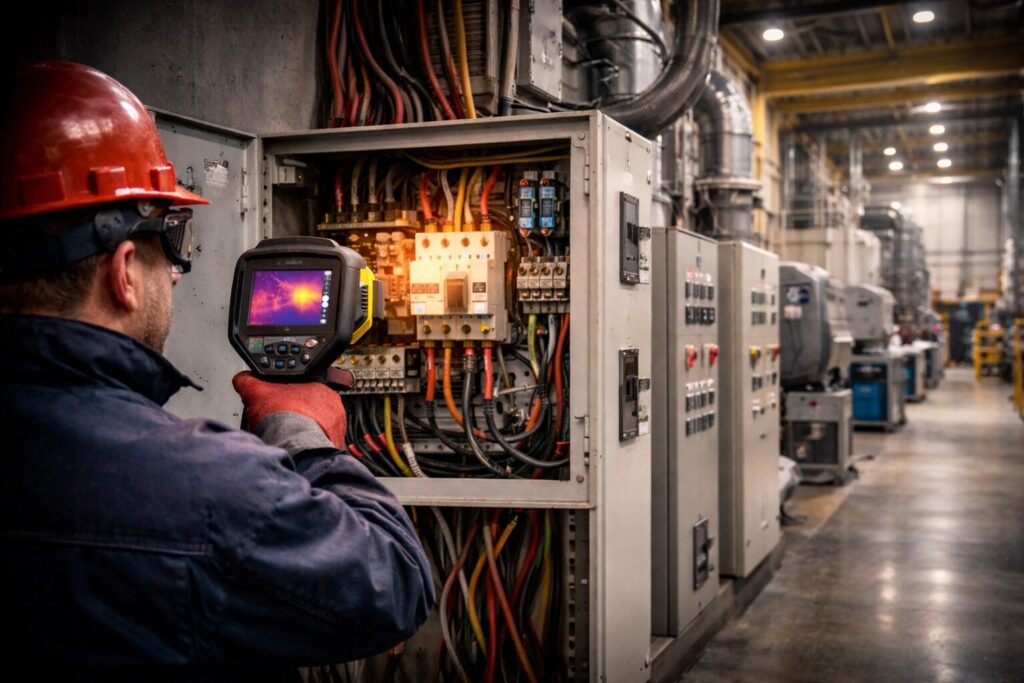
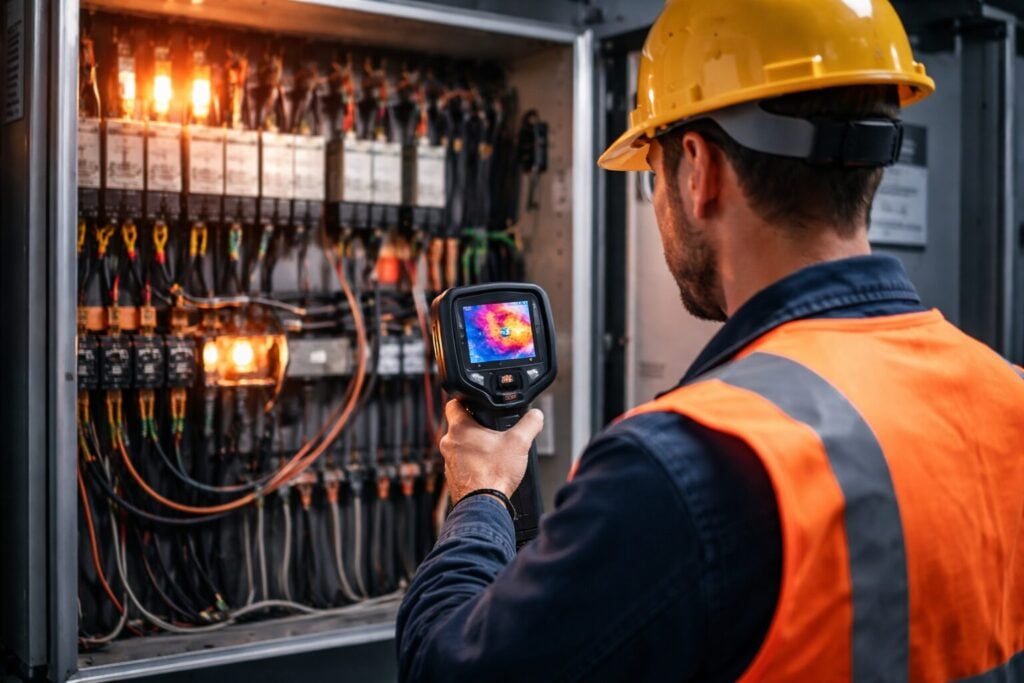
- Infrared scanning helps detect hidden electrical faults, overheating circuits, and insulation failures—key for equipment safety audits.
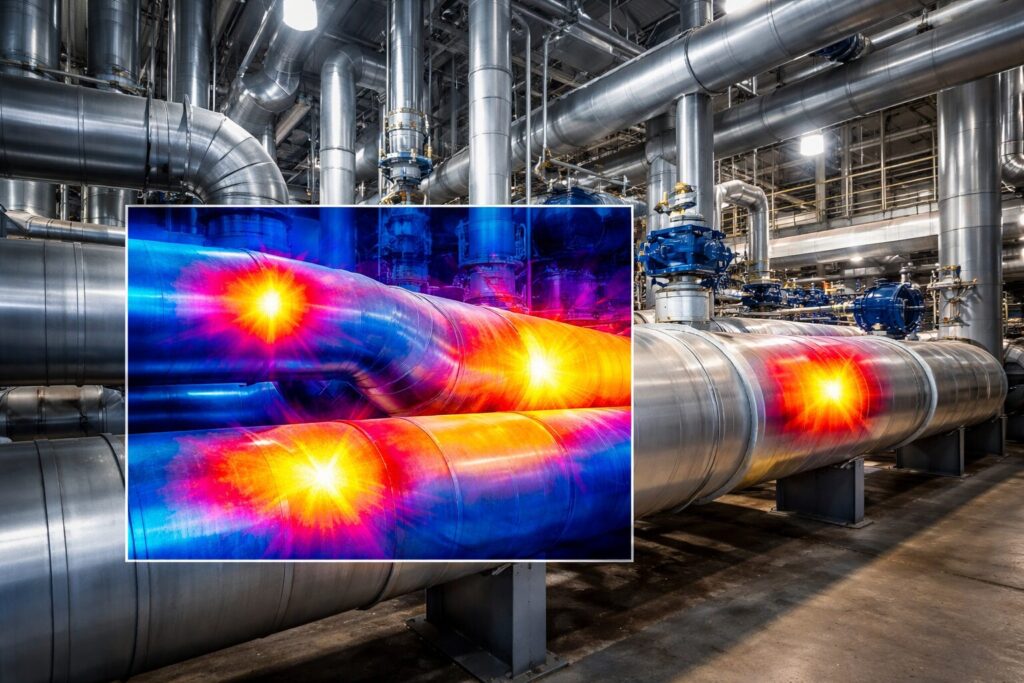
- Acoustic scanning helps find leaks in compressed air, gas, or steam systems that would violate preventive maintenance expectations.
- We deliver detailed digital reports ready for audit submission—saving your team time and demonstrating proactive maintenance.
By investing in these technologies, you’re not just passing a one-time inspection—you’re building a culture of compliance and proactive care.
Final Thoughts
Understanding and meeting Joint Commission Accreditation standards isn’t optional for healthcare and facility-driven organizations—it’s essential. The standards ensure that you deliver safe care, protect patients, and maintain operational integrity.
With the right audit tools, preventive maintenance strategy, and documentation practices, you can approach accreditation confidently. If your team is looking for support in this area, Southeast Infrared’s advanced scanning and reporting solutions provide the data and clarity you need to stay compliant—today and tomorrow.